Discover how professional landscape lighting can boost your home’s curb appeal, improve safety, and extend your outdoor living space. At Fix It Handyman Services,...
Fall Home Prep Checklist for Long Island Homeowners
Every year it happens the same way. The weather turns in the second week of October, you go to close the back door properly for the first time since spring, and it doesn’t sit right. Then the heating comes on and you realise how much cold air is getting past it.
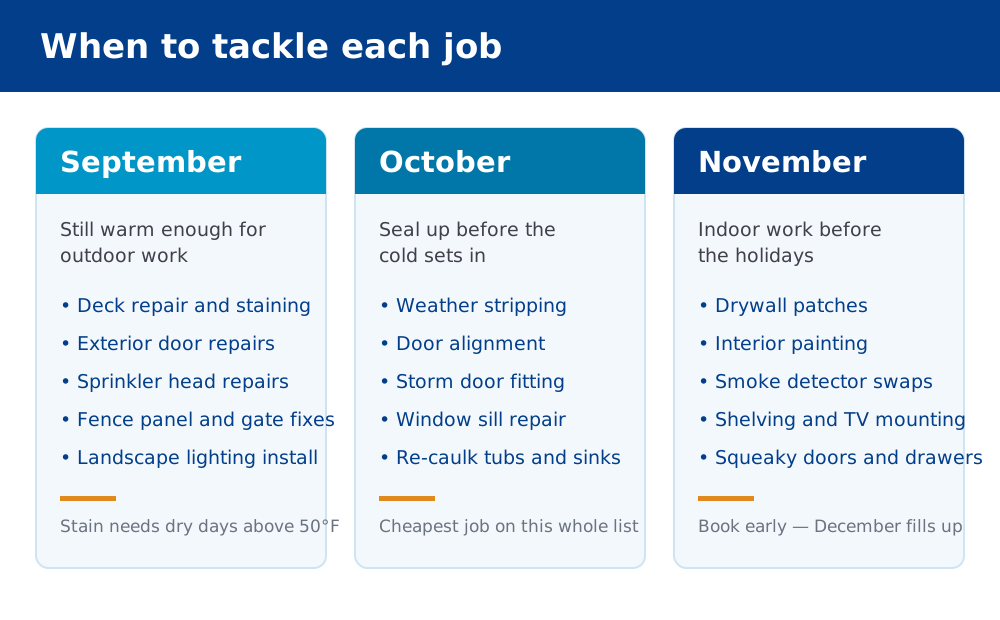
Fall on Long Island is short. We get maybe eight good working weekends between Labor Day and the first hard freeze, and the jobs that need doing outside all have to happen in that window. Here’s what’s worth doing, roughly in the order the weather will let you.
September: get the outdoor work done while it’s still warm
Anything involving stain, sealant or paint outdoors has a temperature floor. Most deck stains need dry conditions above 50°F, and they need it for a day or two afterwards to cure properly. On Long Island that realistically means September, occasionally the first half of October if we get a mild run.
Deck repair and staining. Loose boards, popped fasteners and wobbly railings are worth sorting before winter, because water getting into split timber and then freezing is what turns a small repair into a replacement. If your deck is structurally sound but grey and splintery, it usually only needs cleaning and sealing rather than new boards.
Exterior doors. Frames, thresholds and hardware are much easier to work on when it’s dry. This is also the sensible time to fit a storm door if you’ve been thinking about it — it’s one of the better returns on a small spend, adding insulation without blocking light.
Sprinkler heads. Get leaks and misaligned heads repaired before the system gets blown out for the season. Finding a broken head in April means a month of watering the driveway before you notice.
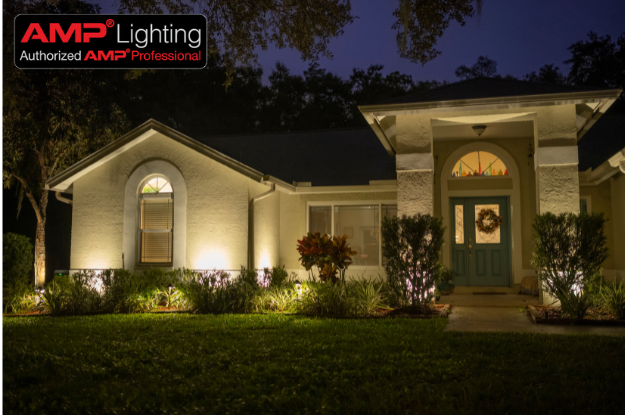
Landscape lighting. Slightly counterintuitive, but early fall is the right time. The evenings are drawing in, so you actually get the benefit immediately, and the ground is still easy to work in. Path lighting on steps stops being decorative and starts being useful the moment it’s dark at five.
October: seal the house up
This is the highest-value month on the list, and the cheapest.
Weather stripping is genuinely the best money you can spend on an older Long Island house. It costs very little, takes an afternoon, and it’s working every single hour the heating is on. Most homes lose more heat through gaps around doors and windows than through anything else you could realistically fix.
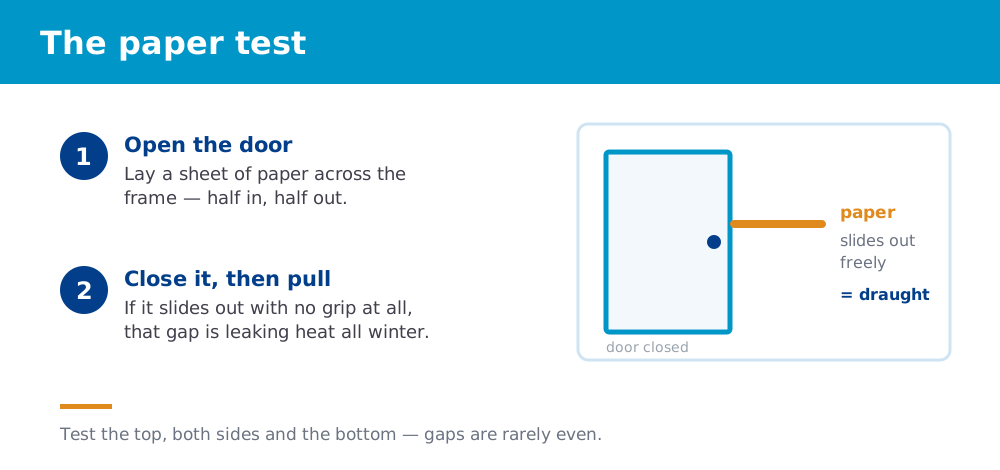
Before you replace anything, check whether you actually need to.
Do that at the top, down both sides and along the bottom. Gaps are almost never even — a door can seal perfectly at the latch and be wide open at the hinge side.
A sticking door usually isn’t a broken door. Houses settle, hinges sag and strike plates drift. Nine times out of ten a door that won’t close cleanly needs adjusting, not replacing. It’s worth having someone tell you which one you’re dealing with before you spend money on a new slab.
Window sills. Sills are where water damage starts and where it’s cheapest to stop. If the paint is lifting or the timber feels soft at the corners, deal with it now rather than after three months of freeze and thaw.
Re-caulk around tubs, sinks and showers. An indoor job, but October is when you notice it, and failed caulk lets water into places that are expensive to put right.
November: move indoors before the holidays
By November the outdoor window has closed and everyone suddenly remembers they’re hosting in a month.
Drywall patches and interior painting. A year of furniture, doorknobs and general life leaves marks. Patching and touching up is quick, and fall is actually a better time to paint than mid-winter because you can still crack a window for ventilation without freezing the house.
Smoke and carbon monoxide detectors. The heating going on for the season is the natural prompt. Replace the batteries, and replace the units themselves if they’re more than ten years old — the sensors degrade whether or not the alarm still chirps.
The list you’ve been ignoring. Shelving that never went up, the TV still sitting on a stand, the closet system still in its box, the squeaky door at the top of the stairs. None of it is urgent, which is exactly why it’s still there. Most of our customers don’t call about one thing — they call about six.
One practical note: book earlier than you think. December fills up fast, and everyone wants the same two weeks.
What to call someone else for
Worth being straight about this, because a fall checklist is where people most often get sold work they don’t need.
Gutters and roofing aren’t our trade. Neither is anything on an exterior above two stories, in-wall electrical or plumbing, or gas appliances. If your fall list includes those, you want a specialist — and we’ll say so on the phone rather than after we’ve turned up.
What we do handle is everything in the three columns above: windows and doors, drywall and painting, exterior work and landscape lighting, and installation and assembly.
The short version
If you only do one thing this fall, do the paper test on every exterior door and fix whatever fails it. It’s the cheapest job on the list and it pays you back every day until spring.
If you’d rather hand over the whole list, that’s what we’re for. We work across Babylon, West Islip, Brightwaters, Dix Hills, Bay Shore, Lindenhurst and Islip, and every job carries a written 100% satisfaction guarantee.
Call (631) 910-6240 or request a free quote. New customers get 20% off their first service.
Related Posts
Hiring a handyman for the first time? Here's everything you need to know for a smooth, stress-free experience from start to finish!
Boost your home's value and wow potential buyers with these quick, budget-friendly DIY fixes that make a lasting first impression!